1July 2025
Wood fence restoration is key to maintaining curb appeal and fence longevity, especially when signs of fence damage like rotten fence posts appear. Knowing when to repair, replace, or re-stain your wood fence helps protect your investment and can be guided by professional fence contractors in Fort Smith and the River Valley.
—
Understanding Your Wood Fence’s Condition
Taking care of your wood fence helps it last longer and look better. Knowing when to fix, replace, or restore your fence can save you money and improve curb appeal.
Signs of Fence Damage: When to Consider Repair or Replacement
Watch for signs that your fence needs work. Catching problems early stops bigger damage later. Check for:
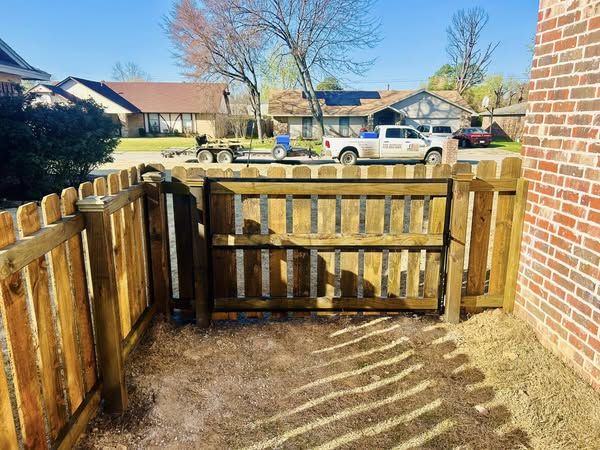
- Deteriorated Wood: Soft or crumbly spots mean trouble.
- Excessive Warping: Bent sections can weaken the fence.
- Splitting Boards: Cracks show stress and risk breaks.
- Leaning Sections: A tilted fence needs fixing fast.
- Falling Sections: Loose parts call for quick repair.
- Missing Nails: Gaps in hardware make fences weak.
Identifying Rotten Fence Posts and Boards
Rotten posts hurt a fence’s strength. Spot them by:
- Looking for dark or wet patches where water pools.
- Pressing on boards; soft spots feel spongy.
Stop wood rot with moisture protection like sealing and regular checks.
Recognizing Warping, Splitting, and Sagging Gates
Gates should open smooth, no fuss. Watch out for:
- Fence Warping: Moisture causes panels to bend oddly.
- Splintering Boards: Rough edges look bad and can hurt you.
- Sagging Gate: If the gate hangs low, it might need fixing.
Check gates often to keep them working well longer.
Effects of Moisture, Fungus, and Insect Damage on Wood Fence Longevity
Moisture causes many fence problems like mold and bugs.
- Use protective coatings yearly to block moisture.
- Clean mildew off quickly with outdoor-safe cleaners.
Bugs like termites love wet wood. Keeping fences dry cuts their chances.
Checking for Missing Hardware and Loose Boards
Strong fences need tight hardware:
- Check screws, nails, hinges often.
- Tighten any loose parts right away!
- Replace missing hardware fast so the whole fence stays solid.
Doing these checks twice a year keeps your fence standing strong!
Knowing these things helps you decide when your fence needs wood fence restoration or repair. For tough jobs, consider a professional service—they’ll help keep your wood fence looking good with a durable finish that boosts curb appeal all year round!
Wood Fence Repair: DIY and Professional Solutions
Fixing your wood fence brings back its strength and good looks. You can do small repairs yourself or hire a professional service. Keeping up with regular care helps your fence last longer. Setting a fence upkeep schedule stops big problems before they start.
Simple Repairs: Tightening Loose Boards and Fixing Gates
- Use galvanized nails or outside-grade screws to hold boards firmly.
- Realign any boards that have shifted before putting new nails in.
- Check gates for sagging caused by old hinges or wood holding too much moisture.
- Fix gate sagging by adjusting hardware or swapping rusted parts.
- Smooth out small wood splinters with sandpaper, then seal the spot with stain.
These easy repairs make your fence safer and look better without spending a lot.
More Advanced Repairs: Addressing Rotten Fence Posts and Damaged Sections
Rotten fence posts cause fences to wobble and fall. Watch for soft or crumbling wood near the ground where water sits. To handle these issues:
- Check your posts often for signs of rotted wood at the bottom.
- Swap out damaged boards quickly to stop rot from spreading.
- Remove rotten posts completely, then put in new treated wood made for ground contact.
- Keep new posts steady by setting them in concrete footings.
If you ignore rotten spots, bigger damage will come, needing full fence replacement later.
When to Call a Professional Fence Contractor: Fort Smith and The River Valley
The weather in Fort Smith and The River Valley can wear down fences fast. Lots of rain, humidity, and changing temperatures cause rot and warping.
Think about hiring a professional fence contractor when:
- Damage is more than just loose boards.
- Many posts or panels show rot.
- You want expert help restoring your fence’s look with a durable finish.
Pros have the right tools and materials built for local conditions. Searching “fence contractors near me” in Fort Smith connects you with trusted companies that fix, restore, stain, or replace fences.
A good fence restoration company helps your fence last longer. They keep it looking good year-round by handling care that fits local needs.
Re-Staining Your Wood Fence for Curb Appeal
Re-staining your wood fence helps bring it back to life. It’s part of wood fence restoration that keeps your fence looking good. A fresh coat of wood fence stain protects the wood from weather damage. It also improves curb appeal by making your fence look bright and new. Good exterior wood care stops problems like mildew, cracking, and fading. Using outdoor wood protection products helps your fence last longer while keeping its color fresh.
Regular re-staining blocks UV rays and moisture that can make wood warp or rot over time. This kind of maintenance makes your fence stronger and nicer to look at. It can really make your property stand out in The River Valley area.
When Should I Stain My Fence?: A Guide to Staining Frequency
It’s important to know when you should restain your fence. Most people find staining worth it every 2 to 3 years. This depends on the weather and how much sun or rain your fence gets.
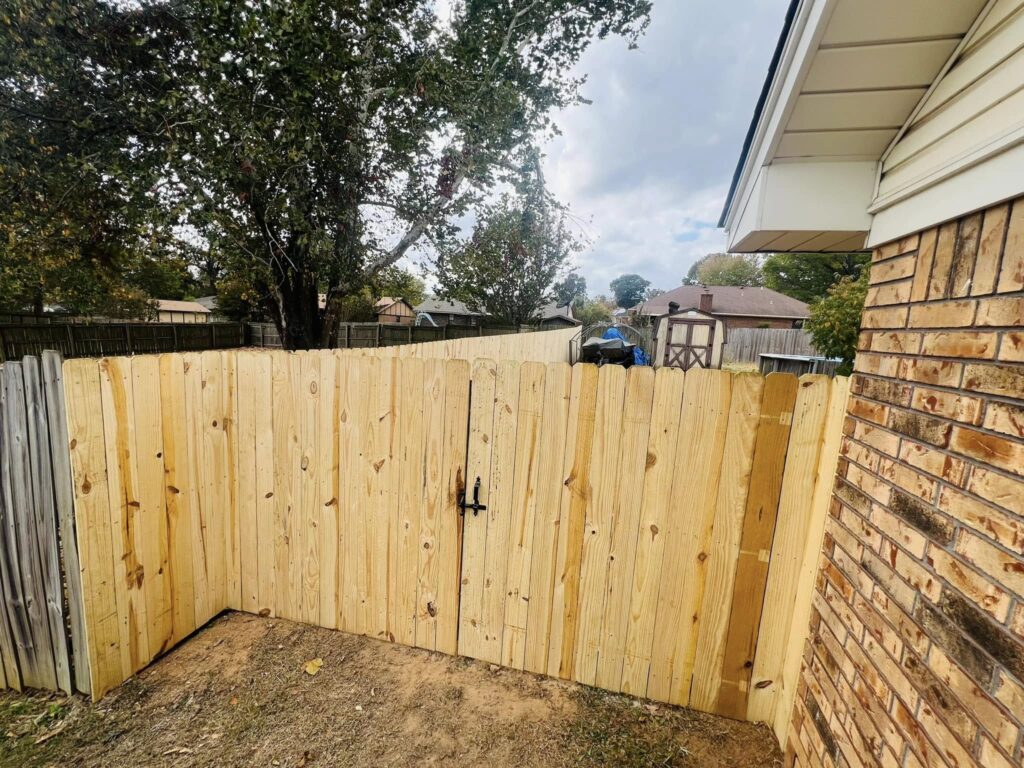
Look for these signs:
- Color is dull or faded
- Water doesn’t bead up on the surface anymore
- Stain is peeling or flaking off
- Wood looks dry or cracked
In places with strong sun or heavy rain, like Fort Smith, you might need to restain once a year. Keeping up with this maintenance interval saves money later by stopping damage early.
Tip: Try to stain in spring or fall when it’s not too hot or cold—between 50°F and 85°F works best.
Wood Fence Staining Tips: Preparation, Application, and Stain Selection
Getting ready right makes a big difference when re-staining:
- Fence Surface Preparation:
- Clean the fence well but gently; don’t use chemicals that take away natural oils.
- Wash off dirt, mildew, and old peeling stain completely.
- Use fine sandpaper to roughen smooth surfaces so the stain soaks in better.
- Clean Work Area:
- Remove leaves, sticks, and other debris around the fence base.
- Cover plants nearby with drop cloths if needed to keep them safe.
- Apply Stain Carefully:
- Test a small spot first on dry wood to see how it absorbs and looks.
- Brush along the grain softly instead of spraying hard to avoid gouging the wood fibers.
- Choose Quality Outdoor Wood Finish Products:
- Pick stains that have:
- UV blockers for sun protection
- Mildew-resistant formulas
- Weather- and corrosion-resistant features
- Pick stains that have:
- Select Appropriate Stain Type:
- Semi-transparent stains work well for fences because they show wood grain while brightening faded spots without hiding texture.
Using deck-and-fence stains made for outside use helps feed the wood instead of just covering it up.
Pressure Washing Your Fence: The Right Way to Clean Before Staining
Pressure washing cleans your fence well before you stain it, but you must be careful:
- Set pressure low (around 500–600 PSI) so you don’t damage soft wood.
- Hold spray tip at about a 45-degree angle and move side to side evenly.
- Don’t hold nozzle too close; this can gouge the planks.
- Wash from bottom up first, then rinse from top down so dirt rinses away cleanly.
- If you don’t have a power washer, use a garden hose sprayer with eco-friendly cleaning solutions instead—they take more effort but work fine.
Cleaning well before staining gets rid of grime that blocks stain absorption. This step helps your new finish last longer against weather.
Follow these simple tips about staining timing, prep work, proper application, and cleaning—including pressure washing advice—to keep your fence protected and looking sharp in Fort Smith and The River Valley area.
Wood Fence Maintenance: Tips for Longevity
Keeping your wood fence in good shape helps it last longer and stay strong. Regular fence upkeep stops problems like rot, warping, and bugs. Check your fence every season, especially after bad weather, to catch any damage early.
Here’s what you should do for routine maintenance:
- Wash the fence with mild soap and water to get rid of dirt and mildew.
- Skip high-pressure washers; they can hurt the wood fibers.
- Tighten loose nails or screws fast to keep the fence steady.
Every few years, put on a protective treatment. This blocks moisture and UV rays. Fix small problems right away, like swapping out rotten posts or broken boards. That way, you avoid bigger repairs later.
If you do seasonal fence maintenance like this, your wood fence will stay strong and look nice for years.
Wood Fence Stain: Choosing the Right Product for Your Needs
Picking the right wood fence stain makes your fence look good and protects it better. Exterior wood stain comes in a few types:
- Semi-transparent stains show some wood grain but add color.
- Solid-color stains cover the wood completely with one shade.
- Clear finishes add little color but keep moisture out.
Semi-transparent stains usually work best on fences. They look nice and give a durable finish made for outdoor use. Look for deck and fence stains that say they resist weather and block UV light to stop fading.
A good protective wood finish keeps mildew away too. It should repel water without peeling or cracking easily. Use products made just for fences outside — not inside paints or general stains.
A strong stain keeps your fence looking good and guards it from weather damage over time.
Protecting Your Investment: The Importance of Regular Maintenance
Regular maintenance keeps your wood fence looking fresh and lasting longer. Weather-resistant treatments protect from rain, snow, sun, and temperature changes that make wood crack or warp.
UV protection matters because sunlight breaks down lignin—the glue in wood fibers—causing grayness or brittleness if left untreated. Many exterior finishes now have UV blockers that slow this damage.
Mildew protection helps stop black spots that grow in damp places. Cleaning plus fungicidal additives in some stains fights mold for good.
Spending time on routine care saves money by avoiding big fixes like replacing rotten posts or badly decayed boards found during checks by pros who work with fencing in Fort Smith’s River Valley area.
Fence Replacement Cost: Factors Influencing the Price
Fence replacement cost can change a lot based on some things. The installation cost depends on the type of fence and what it’s made of. Wood fences take more time to install because each board needs cutting and fitting. Vinyl or metal fences usually go up faster.
If you need fence demolition, that adds to the total cost. Taking down an old fence isn’t free. It can take extra work before putting in a new one.
People in Fort Smith and The River Valley have some fence replacement options to think about. You can replace the whole fence or just fix parts of it. Fixing rotten posts costs less than replacing big sections.
Fence restoration cost tends to be cheaper than swapping everything out. But it depends on how bad the damage is and what you use for fixes, like re-staining or patching.
Regular residential fence care keeps your wood fence strong longer. It helps avoid needing new fences all the time.
Other home fencing solutions, like adding gates or decorations, will also change your price. Always ask contractors for detailed quotes that cover everything so you can plan your budget well.
- Installation cost varies by material
- Fence demolition adds extra fees
- Full replacement or partial restoration options
- Fence restoration usually costs less
- Regular care extends fence life
- Extra features like gates affect price
Choosing a Professional Fence Contractor in Fort Smith and The River Valley
Picking a professional fence contractor makes sure the job gets done right. Local fence repair experts know the weather in Fort Smith fencing projects better than outsiders do.
Find contractors who handle all steps—from checking your fence to repairs, staining, or full replacement. A professional service includes expert painters who apply stains that hold up against rain and sun.
The River Valley fencing services with good reputations often offer warranties and focus on happy customers. Using local pros cuts down delays caused by long travel and supports local business too.
Before you hire someone, check reviews on sites like Google My Business to see if people trust them and like their work. Make sure they talk clearly about when they’ll finish, how much it costs, and how to keep your fence looking good later on.
- Local experts know Fort Smith weather
- Look for full-service contractors
- Expert painters protect wood fences
- Choose companies with good reputations
- Warranties help protect your investment
- Hiring local saves time and supports community
- Read online reviews before hiring
- Clear talks about price, timeline, maintenance
River Valley Fencing: Your Local Experts for Wood Fence Restoration
If your wood fence needs restoration in Fort Smith or The River Valley, working with a professional fence contractor really helps. Local fence repair experts know how the weather here can mess with wood over time. We are a fence restoration company that fixes and refinishes fences to make them strong and good looking again.
Our crew repairs your wood fence and makes it last longer. Whether you want small fixes or a full replacement, our Fort Smith fencing services mix skill with tough materials built to last.
Professional Wood Fence Maintenance: Services Offered by River Valley Fencing
Keeping your wood fence in good shape takes regular care. Our professional service includes:
- Fence Maintenance Tips: We share easy steps for taking care of your fence each season. This helps stop rot, warping, and bugs.
- Wood Fence Maintenance: We clean, check, and fix your fence so it stays fresh all year.
- Durable Finish Application: Our expert painters put on strong stains or sealants that block moisture and sun damage.
- Exterior Wood Care: We use stuff made just for outdoor wood. It keeps colors bright and stops fading.
- Outdoor Wood Protection: Our treatments guard fences against bad weather common in The River Valley.
Hiring pros who know how to handle exterior wood means you avoid big repairs later.
Get a Quote for Fence Repair, Replacement, or Re-Staining from River Valley Fencing
Knowing the cost upfront helps you plan better for your home fencing solutions. Ask us for a free estimate so you can see what fits your budget:
| Service | Typical Cost Range* | Description |
|---|---|---|
| Fence Repair | $150 – $600 | Fixes rotten posts and broken boards |
| Fence Replacement | $1,200 – $3,500 | Replaces whole panels or big sections |
| Fence Staining Services | $300 – $900 | Brings back color and shields from weather |
*Prices change depending on fence size and condition.
We keep pricing clear so no surprises pop up while we work. Contact us today to talk about what you need—whether it’s fixing early damage or planning re-staining before things wear out. Get local help designed just for Fort Smith fencing needs.
FAQs on Wood Fence Restoration by River Valley Fencing
What is the best way to maintain wood fence durability?
Regular fence inspection and seasonal fence care help maintain wood fence durability. Tightening hardware, cleaning, and sealing wood fences prevent damage.
How often should I apply a protective wood finish?
Apply a protective wood finish every 2 to 3 years or as recommended by the stain manufacturer to extend fence life and enhance curb appeal.
Can I do DIY fence restoration for minor repairs?
Yes, simple tasks like wood splinter repair, tightening fencing hardware, or replacing loose nails can be DIY projects with proper tools.
What environmental factors affect my wood fence?
Local climate impact on fences includes moisture, UV rays, temperature changes, and pest damage. These factors influence the need for staining and repairs.
How do I know if my fence needs replacement instead of repair?
Signs of poor state include extensive rot, sagging gates beyond fixing, many rotted posts, or loss of fence structural integrity requiring replacement.
What are good outdoor stain types for fence coating?
Semi-transparent deck and fence stains with UV protection and mildew removal features suit most fences. They offer weather resistance and maintain wood grain visibility.
Why is cleaning before staining important?
Fence cleaning removes mildew and dirt that block stain absorption. Proper drying after cleaning ensures even stain penetration into wood cells.
How do pressure washer safety tips affect my fence restoration process?
Using correct spray tip angle and low PSI avoids damaging softwood fences during power washing. This prepares the surface without hurting wood grain.
Essential Tips to Enhance Fence Longevity and Aesthetics
- Perform routine maintenance every season to preserve the look.
- Use exterior wood glue or caulk for small cracks to prevent water entry.
- Stabilize fence posts with concrete footings for long-lasting support.
- Choose rot-resistant wood types or treat existing boards to slow decay.
- Replace corroded fencing hardware promptly to maintain fence integrity.
- Plan your fence installation timeline considering local weather conditions.
- Select weather-repellent clothing when working outdoors for safety.
- Keep a detailed fence maintenance schedule including staining worth it intervals.
- Use outdoor maintenance tools designed for gentle cleaning and sanding.
- Test stain color options on a small section to ensure color consistency.
Understanding Fence Repair Costs and Upgrades
- Installation cost varies based on material type and size of the project.
- Fence renovation cost estimation includes demolition and disposal fees if needed.
- Budget for extra costs when adding gate upgrades or decorative features.
- Regular maintenance reduces need for costly full replacements over time.
Trust River Valley Fencing for expert guidance in all phases of your wood fence restoration process. Our professional expertise helps you protect your investment on time and on budget while enhancing your home’s curb appeal year-round.