1July 2025
Best fencing options for uneven ground and sloped yards require careful planning to suit your backyard’s unique slope and uneven terrain. River Valley Fencing in Fort Smith offers custom fence installation solutions like stepped and racked fences that provide durable and attractive backyard fencing for hills and sloped yards.
—
Understanding Your Sloped Yard and Fencing Needs
Fencing for Sloped Yards: The Challenges of Uneven Terrain
Fencing on a sloped yard can be tricky. You have to think about stopping soil from washing away and making sure water drains right. If water pools or runs off too fast, it can mess up your fence over time.

- Soil Type and Drainage: Different soils soak up water differently. Sandy soil drains fast but clay holds water, which can cause erosion. Managing drainage helps keep the fence steady.
- Erosion Prevention: Fences that control erosion slow down runoff and keep soil in place. They help stop the ground from washing away after rain or wind.
- Accessibility for Installation: Putting a fence on a hill isn’t the same as flat ground. You need special methods so the fence stays straight and firm. Think about how easy it will be to install before you start.
Best Fencing for Uneven Ground: Assessing Your Property’s Unique Needs
Picking a fence for uneven land means looking at what makes your yard special.
- Slope Steepness: Check how steep your yard is. Steep slopes might need fences that step down or follow the slope’s shape better.
- Existing Landscaping Integration: Plan how your plants and yard features will work with the new fence. Good planning keeps things looking nice and working well.
- Budget Considerations: Fence prices change based on material, style, and how hard it is to put up. Set a budget early to find good options that fit your wallet.
Knowing these points helps you pick fencing that fits your yard in The River Valley, Fort Smith, especially when dealing with uneven ground or sloped yard fencing needs.
Fence Material Selection: Wood, Vinyl, Steel, and More
Picking the right fence material matters a lot if your yard has uneven ground or slopes. Each type works better for certain terrains and takes different care.
Wood Fences:
Wood fences look natural and can fit uneven ground well. You can cut the boards to size or use stepped fence installation to match the slope. But wood needs regular staining or sealing to stop rot, especially where it’s wet.
Vinyl Fences:
Vinyl fences last long and don’t need much upkeep. They bend a bit during installation on uneven terrain without cracking. Vinyl handles weather damage well but may need a pro for steep slopes.
Steel Fences:
Steel fences stand up to tough weather and last longer than wood or vinyl. Rust-resistant coatings help steel stay strong even when the ground is damp or sloped.
Aluminum Fences:
Aluminum is light and doesn’t rust, making it easier to install on tricky terrain. It keeps looking nice with little work needed.
Chain Link Fences:
Chain link fences adjust easily on slopes since they flex with the land. They’re cheaper but don’t offer much privacy compared to solid panels.
Iron Fences:
Iron fences have a classic look and hold strong on rough ground. Still, they need rust protection often because sloped sites expose them more.
Hybrid Wood and Metal Fencing:
Mixing wood with metal gives you both style and strength. This combo works well on uneven ground and looks good while lasting a long time.
Fence Installation on a Slope: Stepped vs. Racked Techniques
When putting up fences on slopes, two common ways make sure the fence stays sturdy and looks good: stepped fencing and racked fencing.
Stepped Fence Installation
Stepped fences keep each panel flat but set at different heights along the slope like stairs. The posts stand straight while panels go up or down between them.
- Why Use Stepped?
- Easier to build using normal flat panels.
- Shows clear sections of your yard.
- Works best on moderate slopes with sharp height changes.
- Good For:
- Yards with flat spots on the slope.
- People who want clear yard zones or terraces.
Racked Fence Installation
Racked fencing uses bendy panels that tilt smoothly along the hill instead of stepping down suddenly. The pickets bend so no gaps show on the slope.
- Why Choose Racked?
- Creates smooth flow along hillsides.
- Gives better privacy—no spaces between panels.
- Looks softer than stepped fences.
- Good For:
- Gentle slopes that need one smooth fence line.
- Those who care about looks as much as function.
Each way fits different slope types and style choices. Talk with a fence installer who knows about your land before deciding.
Stepped Fence: Description and Advantages
Stepped fence installation breaks your slope into flat parts joined by posts set at different heights — like steps going down a hill.
It makes fitting regular panel styles easier since you change panel height instead of bending boards.
Some pluses are:
- Simple build with usual materials
- Clear property lines at each level
- Saves money by needing fewer special parts
- Fixing is easy since sections are separate
Racked Fence: Description and Advantages
Racked fence installation bends flexible panels diagonally along gentle slopes rather than cutting them into steps.
This way keeps panel height steady compared to the ground, so you get no stair-step look or breaks in the fence line.
Benefits include:
- Smooth look that follows hillside curves naturally
- Better privacy because boards fit tightly angled
- Less trash collects under gaps like in stepped styles
- Winds push less hard thanks to angled boards
Which method you pick depends on slope steepness, budget, style likes, and what fence material you use.
River Valley Fencing knows how to mix these choices just right for Fort Smith’s River Valley yards — making sure your fence fits your land well while looking good for years!
Detailed Guide to Fence Installation Methods
Stepped Fence Installation: A Step-by-Step Guide
Stepped fence installation works well on sloped yards where the land drops in clear levels. This method makes a set of flat panels that “step” down the slope. It keeps fence height steady and the whole thing solid.
Fence post installation on slope: First, mark where posts will go along the slope. Make sure each post stands straight up. Use deep anchor posts set below frost lines so they stay stable on uneven ground. Check each post with a level to keep them vertical even if the ground changes height.
Post placement and leveling: Dig holes deeper for posts on lower steps to keep them standing up right. Fill holes back in with concrete or packed gravel to hold posts firm.
Fence panel installation on slope: Put rails between the posts horizontally. Then attach fence panels to those rails. Panels stay flat and level at every step, so your fence looks neat.
Remember to make strong connections between posts and rails. Use weather-proof materials and check local rules for max gaps or heights. Doing stepped fence installation right stops sagging and keeps your yard safe on slopes.
Racked Fence Installation: Achieving a Seamless Look
Racked fences follow the slope by tilting fence panels instead of stepping them. This makes one smooth line that looks clean with no breaks.
When you do racked fence installation, adjustable rails tilt along with the land’s angle. Posts go in like they do for stepped fences, but panels lean a bit instead of standing straight in sections.
This way gives a neat look if you want an unbroken view along your property line. It’s a slope-friendly solution that fits uneven ground well—both useful and nice to see.
Post placement and leveling
- Use deep anchor posts that go below freeze lines (usually 2-3 feet) so they don’t move.
- Dig wider holes where soil might wash away easily; add concrete footings if needed.
- Pack soil or gravel tight around each post after setting it vertical.
- Keep checking alignment while concrete cures before adding rails or panels.
These tricks make your fence strong enough to handle tricky ground conditions.
Rail and panel attachment
- Cut or angle adjustable fence rails during install to fit site shape.
- Secure rails tightly between posts with outdoor-rated brackets or screws.
- Slide panels onto rails without gaps, even if ground is uneven.
This lets you fit parts exactly while keeping the whole structure steady for years.
Important considerations for a secure install
- Pick materials that don’t warp from moisture near rivers or valleys.
- Use rust-proof brackets, screws, and nails built for outside use.
- Build supports tough enough to handle wind pushing sideways plus gravity pulling downhill.
Sturdy fences need less fixing over time and keep your property safer from soil shifts or erosion problems.
Post placement techniques
- Put post caps made of metal or tough plastic on top. They stop water from getting in and rotting wooden posts.
- Use special hardware like galvanized brackets meant for angled installs. These keep angles right even when stress hits sloped yards.
Adjusting to the slope
Changing fence design affects looks and how it works:
A racked fence follows slope smoothly with no breaks you see in stepped styles. Stepped fences give clear divisions good for tiered garden areas beside borders.
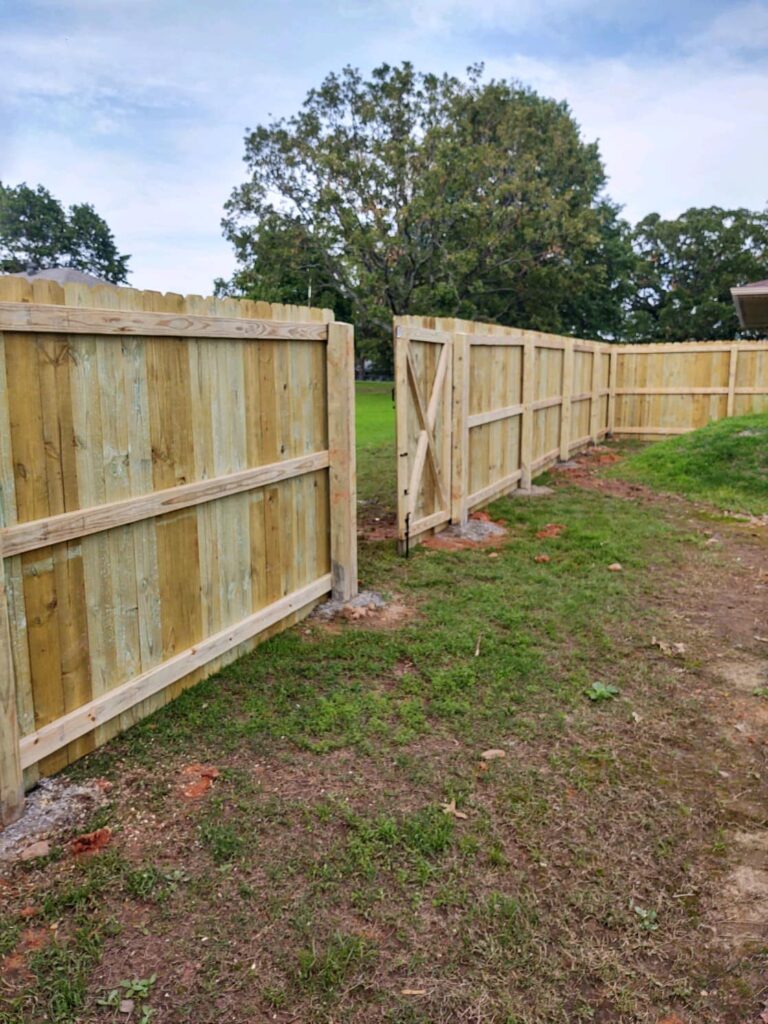
Both choices fit different needs well. They serve as good slope-friendly solutions depending on what you want—looks vs function—on hills common near River Valley spots.
Ensuring structural integrity
Keeping everything lined up matters a lot:
- Check that horizontal rails are level often. Make sure each post stays plumb (straight up) as you build—small mistakes add up fast.
- Watch alignment carefully during work stages. This stops weak spots forming that could fail when weather hits hard outdoors.
Good care plus skilled work bring solid results that last long no matter how steep or bumpy your land is.
Design Considerations and Professional Installation
Sloped Yard Fence Options: Design Tips and Ideas for Fencing Your Backyard
Fencing a sloped backyard takes some thought. Using mixed fence heights that follow the hill’s shape works well. This creates a neat, stepped look while keeping your yard secure. Another option is a racked fence. Here, panels tilt to match the slope for a smooth flow.
Place gates where the ground is flat or add steps to make getting in and out easier. These practical ideas help make your yard more usable and still look good. Picking materials that can handle uneven ground also keeps your fence strong over time.
A good fence keeps your home safe and fits with the landscape on hills or slopes. When you mix style with function, you get an attractive solution made for your yard’s shape.
Backyard Fencing Solutions: Custom Fence Installation by River Valley Fencing
Custom fence installation is the best choice for uneven or sloped yards. Professionals check your land first. Then they suggest fencing styles that fit your needs.
Pro installers make sure panels, posts, and gates fit perfectly—even on slopes. This makes fences last longer. Custom fencing solutions use stepped or racked designs based on expert advice for The River Valley area.
Using professional help means you get advice plus great work from start to finish. The result is backyard fencing solutions that protect your home and boost its look.
River Valley Fencing: Your Fort Smith and River Valley Experts
River Valley Fencing: Serving Fort Smith and the Surrounding Area
Our team knows Fort Smith and The River Valley well. We understand how weather and land shape what fences work best here. Each project takes soil type, drainage, and erosion problems into account.
This local knowledge helps us pick materials that stand up to tough terrain around Fort Smith. It stops expensive fixes caused by weather damage or moving ground later on.
Custom Fence Installation: Why Choose River Valley Fencing?
River Valley Fencing handles everything from design talks to putting up your fence. Our team works carefully when building fences on slopes or uneven land.
We build secure fences that look nice while solving real problems like water drainage during construction. Our prices are fair, and payment options flexible, making it easy for families in The River Valley to choose expert custom fence installation.
Addressing Specific Concerns and Next Steps
Uneven Terrain Fencing: Addressing Drainage and Erosion Concerns
Drainage matters a lot when you put up fences on uneven ground. Water pooling can weaken posts fast. Good fence drainage considerations include:
- Filling post holes with gravel
- Adding weep holes or gaps under rails
- Sloping soil away from posts
Erosion control fencing helps keep soil from washing away near fence bases by adding retaining walls or plants next to fences built for this.
Doing these things protects both your new fence and the plants around it from rain runoff or heavy storms common in hilly spots like The River Valley.
Contact River Valley Fencing for a Free Quote
Want to make your yard better? Contact us now for a free quote focused on best fences for slopes near Fort Smith. Set up a visit so our team can check your land’s needs—then give advice based on years of local know-how.
River Valley Fencing: Your Fort Smith and River Valley Experts
If you want fencing in Fort Smith or The River Valley, knowing the land helps a lot. The area’s hills and slopes can make fence work tricky. Our team knows how to handle these kinds of yards so your fence fits just right.
We have been fencing here for years. We know how to build fences that last on sloped or uneven ground. You can get stepped fences or racked fences that match your yard perfectly.
As a local fencing contractor, we offer advice that fits your property. We make sure your new fence works well and looks good in the River Valley.
River Valley Fencing: Serving Fort Smith and the Surrounding Area
We work with homeowners all over Fort Smith and The River Valley. We know how the soil, weather, and hills affect fence building here.
Our residential fencing services include:
- Checking yard slope and ground before putting up fences
- Suggesting the best materials for bumpy or sloped yards
- Designing fences that fit with nearby homes
This way, your fence won’t just look nice; it will hold up against things like soil moving or erosion common around here.
Custom Fence Installation: Why Choose River Valley Fencing?
Getting a custom fence installed by pros gives you peace of mind. People trust us because we deliver solid work every time.
Here’s what you get with us:
- Design help based on your yard’s shape and needs
- Skilled installers who know how to build strong fences on slopes
- Full service from first planning to final setup
We also have prices that compete well with others and payment plans that fit different budgets. We help you pick styles that work for privacy or style.
We focus on careful installation for uneven land so your fence stays strong and adds value to homes in Fort Smith.
Uneven Terrain Fencing: Addressing Drainage and Erosion Concerns
When you put up a fence on uneven ground, you have to think about drainage and erosion. Water running off the slope can wash away soil and make fence posts weak or loose over time.
Here are some tips to keep your fence steady:
- Fence Drainage Considerations: Leave small gaps or spaces in the fence so water can pass through. Don’t put solid panels right at the bottom where water can gather.
- Erosion Control Fencing: Put geotextile fabric under the fence line. This helps hold soil in place. If the slope is steep, add retaining walls or terraces to slow down soil movement.
- Soil Erosion Prevention: Plant grass or other ground cover near your fence. This slows water and holds soil together. Mulch around posts also stops soil from washing away.
- Water Runoff Management: Make sure gutters and downspouts send water away from your fence. You can also use French drains to carry extra water safely downhill.
- Post Stability on Slopes: Dig holes for fence posts deeper than usual, about 30% more depth. This helps keep posts from shifting as soil moves on slopes.
- Fence Post Stabilization Techniques: Use concrete footings with gravel around them. Gravel helps drain water away from posts. Sometimes metal post anchors give extra strength on uneven land.
Fixing these things when you build the fence saves you money later. Plus, it keeps your fence safe and looking good even on a slope.
Contact River Valley Fencing for a Free Quote
Want a fence that works well on uneven ground? Contact River Valley Fencing for a free quote made just for your yard.
Getting a consultation is easy:
- Call us at [insert phone number]
- Fill out our contact form online
- Email us at [insert email address]
We will look at your yard’s slope and talk about fencing options like stepped or racked styles. Then we explain what comes next—prices, timing, and how we install it all.
Taking this first step gets you advice from people who’ve done lots of fences on tricky hills in Fort Smith and The River Valley.
Let us help you build strong fences that last and look good—reach out today!
FAQs: Best Fencing Options for Uneven Ground and Sloped Yards
What is the best fence type for steep slopes?
Stepped fences work well on steep slopes by creating flat sections, making installation easier and providing strong support.
Can vinyl fences adapt to uneven ground?
Yes, vinyl fences offer installation flexibility. Their slight bend and modular panel sizes help maintain alignment on slopes.
How do I prevent soil erosion near my fence on a slope?
Use erosion control fencing with geotextile fabric, plant ground cover near posts, and install retaining walls if needed.
Are steel fences durable on sloped yards?
Galvanized steel fencing offers excellent strength and rust resistance. It adapts well to uneven terrain with proper installation hardware.
What are adjustable fence rails?
Adjustable fence rails allow flexible height adjustment to match the slope, ensuring a visually clean and seamless line along the yard.
Is a racked fence better for gentle slopes?
Yes. Racked fences create a smooth continuous line that blends with gentle terrain changes without visible steps.
How deep should fence posts be set on uneven ground?
Posts should be set about 30% deeper than usual to ensure post stability and prevent shifting from soil erosion.
Can I use chain link fences on hillsides?
Chain link fences adapt easily to slopes due to their flexible mesh, but they offer less privacy compared to solid panels.
Key Tips for Slope-Adapted Fencing Solutions
- Use custom-cut panels or modular fencing components for a flawless fence fit on terrain contours.
- Employ post caps and hardware that protect wooden posts from moisture to extend fence longevity.
- Choose lightweight materials like aluminum for easy hand-installing and reduced strain during fast installs.
- Consider rust-resistant fencing, such as galvanized steel or aluminum, to improve weather resistance in moist conditions.
- Plan for fence spacing considerations that allow water runoff and prevent damage from pooling water.
- Incorporate retaining walls with fencing when needed for added soil stabilization on steep slopes.
- Opt for flexible fence materials, like vinyl or metal panel fencing for slopes, to maintain shape and durability over time.
- Use assembly tools and installation hardware designed specifically for terrain-adaptive fences to ensure secure attachment.
- Factor in landscaping with fencing, including native shrubbery for privacy and erosion prevention alongside your fence line.
- Evaluate local fencing regulations on slopes before installation to ensure compliance with height and property line rules.
Enhancing Your Outdoor Space with Smart Fencing Choices
- Mix fence styles for slopes, such as combining terraced fencing with racked panels, to optimize yard elevation changes.
- Select materials offering both a rust-resistant finish and a rustic-modern aesthetic, blending visual warmth with durability.
- Install pet-safe fencing on slopes by ensuring flexible design that adapts without gaps or weak points along uneven terrain.
- Use outdoor privacy screens integrated into your fence design to create private sanctuaries even on hillside yards.
- Plan gate placement on slope carefully by choosing level spots or adding steps for safe, easy access.
These practical solutions help build fences smarter while enhancing your yard’s charm and function in Fort Smith’s varied landscape.