1July 2025
Chain-Link Fence Add-Ons like chain link privacy slats, privacy screens, and barbed wire offer inexpensive ways to customize your chain-link fence for added privacy and security. These fence privacy screen upgrades help cover open spaces while boosting fence security options without compromising durability.
—
Understanding Chain-Link Fence Components and Options
Chain-Link Fence Basics
A chain-link fence is a common choice for homes and businesses. It’s made of steel wire woven into a diamond pattern. This creates a strong barrier that can mark your property line or keep people out. The fence fabric comes in different styles like galvanized chain link or vinyl coated chain link.
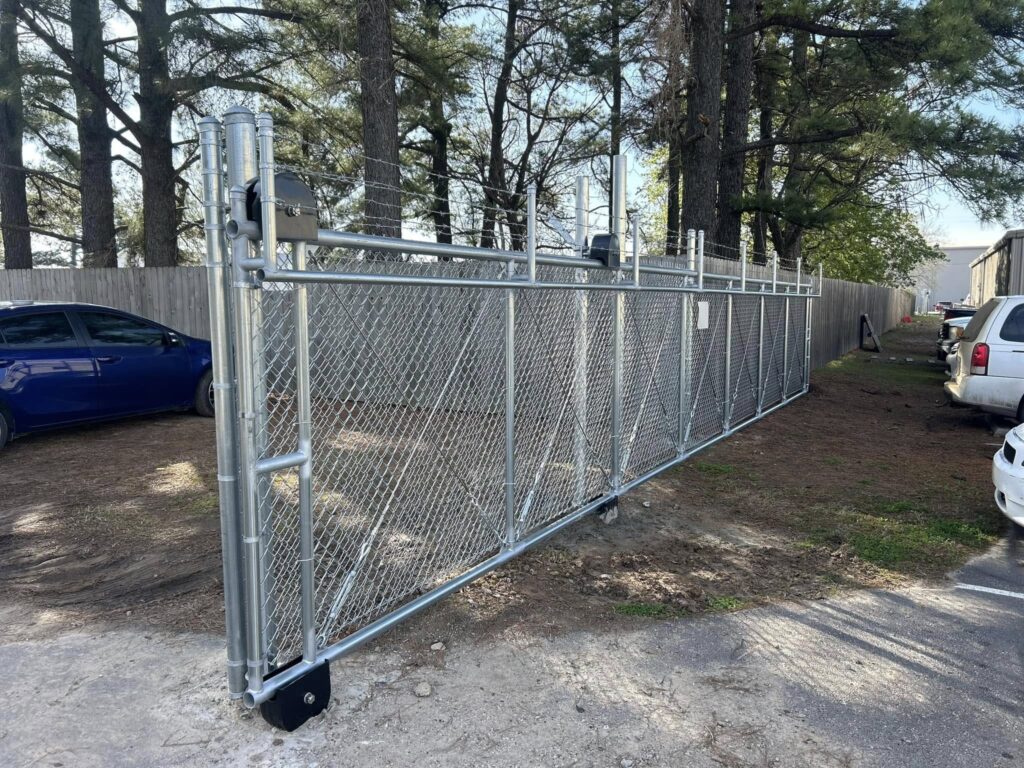
- Galvanized Chain Link Fence: This one has a zinc layer that stops rust from forming.
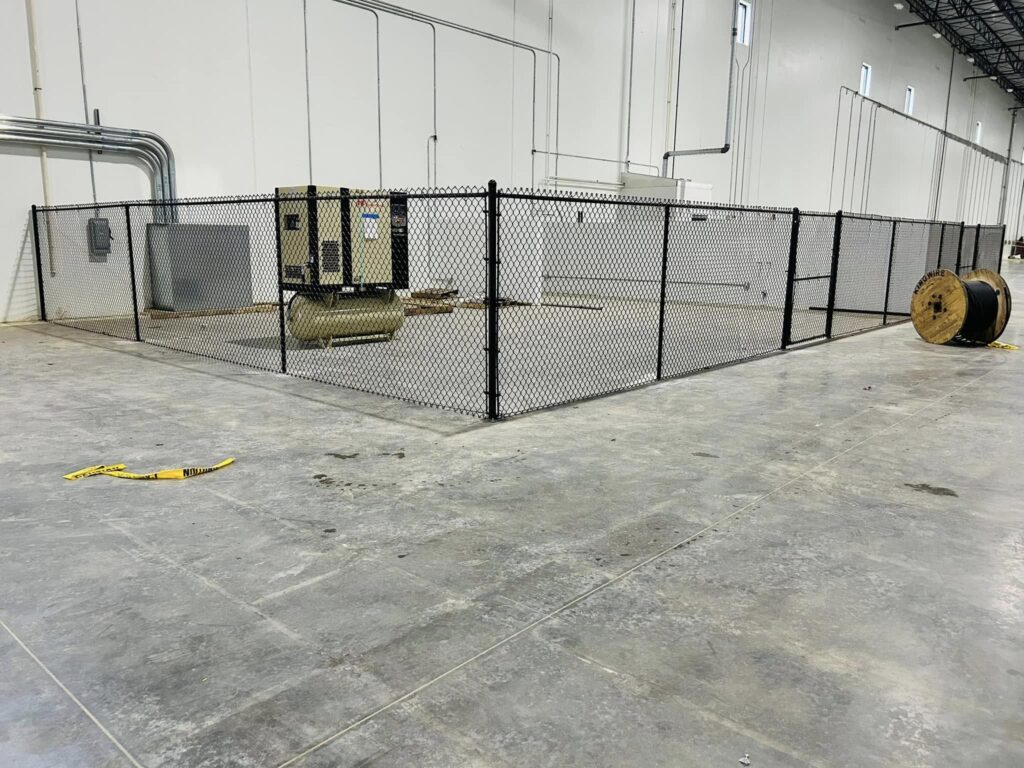
- Vinyl Coated Chain Link Fence: It adds color and extra protection from weather.
Chain-link fences work well for industrial spots too. They keep places secure but don’t block your view.
Chain-Link Fence Materials and Construction
The materials in your fence decide how long it lasts and how tough it is. Here’s what you’ll find:
- Galvanized Steel: Strong metal that doesn’t break down in bad weather.
- Vinyl Coating: A plastic cover that protects the metal and looks nice.
- Powder Coating: A hard finish that won’t scratch or fade easily.
Wire gauge thickness matters too. Thicker wires make fences stronger, but cost more. Try to pick fences marked corrosion resistant. That way, they last longer outside.
Chain-Link Fence Grades and Specifications
Fence grades help you pick the right type for your use:
- Residential Chain-Link Fences: These are lighter and good for homes where you want some security.
- Commercial Chain-Link Fences: Built tougher to handle more wear at businesses.
- Industrial Chain Link Fences: Heavy-duty fences for factories or warehouses where strength is key.
Other specs include:
- Fence Post Sizes: Posts come in different sizes depending on where they go—terminal posts hold the ends, line posts support the middle parts.
- Metal Fence Posts: These hold up the whole fence structure.
- Fence Gate Hardware: Good hardware keeps gates working smooth when you open or close them.
Knowing these parts helps you pick the right chain-link fence. That way, it lasts longer and works better for what you need.
Privacy Slats for Chain-Link Fences
Privacy slats are chain-link fence add-ons that boost privacy and make your fence look better. They slide vertically through the fence links. This creates a solid wall that blocks wind and stops people from seeing through.
You’ll find privacy slats made from vinyl, polyethylene, and aluminum. Vinyl privacy slats don’t fade or crack when in the sun. Polyethylene slats are flexible and tough but usually cost less. Aluminum fence slats give extra strength without being heavy.
There are different types of slats for different needs:
- Bottom lock slats snap tightly in place to stop slipping.
- Ultimate privacy slats block almost all views.
- Wing slats have angled edges to cover more space.
- Feather lock and lite link slats let some air flow while keeping privacy.
- Decorative fence slats add colors or patterns to make your fence look nicer.
- Heavy-duty fence slats handle strong weather or impacts.
Hedge link slats mix plastic strips with fake leaves. They look like real bushes and fit well in gardens without needing care.
Putting in privacy slats is easy but you need to measure your fence height right. You can pick from plain colors like gray or beige. Or choose bright ones like green or blue to match your yard.
Fence Privacy Screens: Extra Protection & Style
Fence privacy screens attach to chain-link fences to block views all along the fence. There are many kinds for different places:
- Mesh privacy fabric lets air pass but stops people from seeing; good if it’s windy.
- Outdoor canvas screens last long and you can print pictures or logos on them.
- Artificial hedge panels look like thick bushes and need no watering.
- Natural ones like reed privacy screens and bamboo rolls add a garden feel.
These screens help shape yard fencing ideas by making spaces safer and nicer looking. They can also cut down noise near busy streets.
Most screens fasten easily using zip ties or clips made for chain-link fences. Pick screen thickness based on how much light you want in or out.
Barbed Wire and Razor Wire: Security Upgrades
Barbed wire puts a strong guard on top of chain-link fences. Sharp points along twisted wire stop people from climbing over easily. It’s used on homes that want extra safety and on businesses that need tight control.
Razor wire fencing has sharper blades arranged on coil-shaped strands called concertina wire. This is harder to climb than regular barbed wire fences.
Some terms explained:
- A barb arm holds the barbed wire out from the main fence at an angle. This makes it work better.
- Concertina wire means coiled razor wire that expands around places like warehouses or military zones.
Both barbed and razor wires need experts to put them up safely. Also, rules often control where you can use them.
Adding these options depends on what you want—vinyl or decorative privacy slats can change plain fences into stylish barriers. For strong security, barbed or razor wire works well with years of proven use worldwide.
River Valley Fencing gives advice on picking the right add-ons for your property—whether for home comfort or tough business defense—and installs everything right with quality promised.
Evaluating Privacy Requirements
When you pick chain-link fence add-ons, think about your privacy first. Privacy screens and privacy slats block the view but still let air flow through. These work great for both residential chain-link fences and commercial chain-link fences. They help keep your space private.
Barbed wire fences add security but don’t give much privacy. They are good fence security options when you want to stop people from climbing or getting in your perimeter fencing. Anti-climb fencing upgrades also make your fence safer and last longer.
Think about what you need from outdoor fencing materials. Pool safety fences often need to meet local rules on height and how see-through they are. That means mesh privacy fabric might not be allowed near pools. But a fence privacy screen can make your backyard more private without causing safety problems.
Adding these upgrades to your chain-link fence helps with looks, function, and protection. Using durable materials means your fence will stand up to weather and wear while fitting what you want.
Customizing Chain-Link Fences
Fence privacy solutions don’t have to be boring. Vinyl coated chain link fences come in different colors. They also fight rust better than galvanized chain link fences.
If you like a natural look, try climbing plants or potted shrubs next to the fence. They make the area look softer over time. Artificial hedge panels give green coverage right away without needing care.
Other ideas for customizing include:
- Bamboo rolls
- Reed privacy screens
- Fabric panels like outdoor canvas or mesh fabric
- Hanging planters
- Macrame panels
- Wood pallets set up vertically
These choices help you match style and function depending on what you like or how much money you want to spend—whether for a home or a business.
Cost Considerations
Picking cost-effective chain-link fence add-ons means thinking about price now and later. Things that affect fencing cost include:
- What material you pick (vinyl vs galvanized)
- How hard it is to install
- How big the fenced area is
- What accessories you want
Simple things like plastic slats are cheap and easy to put in, but they may not last as long as vinyl-coated ones built to be tough.
You should also think about long-term maintenance costs. Some materials don’t fade or get damaged as easily, so they save money on repairs later.
A durable upgrade that’s easy to install can last a long time without costing too much. It’s smart to balance how much you spend first with how long the fence will work well for you.
Chain-Link Fence Installation Guide
Site Preparation and Post Placement
Start by marking your fence line. Each chain post should go about one-third of its length into the ground. So, a 6-foot post needs around 2 feet buried deep.

Set posts in concrete to keep them steady. Use quick-setting concrete so they don’t move over time. If you live where it snows or freezes, pour concrete below the frost line to stop shifting.
Pick metal fence posts made from galvanized steel. They last longer and fight rust better than plain metal. Posts come in sizes like 1⅝ inches to 2⅜ inches thick. Bigger fences usually need thicker posts.
Also, check wall thickness of the post—it means how strong the post is against bending or breaking. Thicker walls help the fence hold up better during storms or if something bumps into it.
Using galvanized steel with good wall thickness makes your fence tough and long-lasting, no matter the weather.
Fabric Stretching and Securing
Once your posts are set, roll out the chain link fabric along your fence line. Attach one end tight with strong fence ties or hog rings that wrap around both fabric wires and terminal posts.
Next, stretch the fabric using a come-along tool or tension bar. Insert it in the mesh loops on the far end, then pull to make fabric tight between posts.
After pulling tight, fasten fabric to top rails and line posts with more ties spaced every few feet. This stops sagging and keeps gaps out.
Tight fabric makes your fence look neater and stand up better against wind or impacts.
Gate Installation and Adjustments
Choose gate types based on how you want to get through: single leaf gates fit small openings; double swing gates work for wider spots; sliding gates save space where there’s little room to swing open.
Measure gate leaf width carefully so hinges have room to open without rubbing fences or walls.
Gate posts need to be stronger than regular ones because they hold heavy swinging or sliding parts. Use heavier gauge galvanized steel for them.
Hinge posts need solid anchoring just like corner posts since they handle stress from opening and closing all the time.
After putting gates up, adjust hinge bolts little by little until doors swing smooth without dragging on the ground or messing up latches.
Follow these steps right, and your chain-link fence will stay solid while letting you add things like privacy slats or barbed wire without trouble.
Practical Benefits of Upgrading Your Chain-Link Fence
Upgrading your chain-link fence with some good add-ons really helps. Better chain link fence fabric with smaller mesh size makes it harder for people to climb or cut through. You get more security that way.
Coatings like vinyl or powder coating stop rust and protect your fence from bad weather. These coatings keep your fence strong and long-lasting. A coated fence doesn’t fade or peel easily even when sun, rain, or snow hit it hard.
Here are some key benefits:
- Corrosion resistant finish protects metal parts
- Weather resistant surface keeps colors fresh
- Durable materials mean less repair over time
- Reliable performance saves you money later
Adding privacy slats or screens helps block views but still lets air pass. That adds security and privacy for homes or businesses.
All these upgrades make your fence last longer while looking nice all year round.
How River Valley Fencing Supports Customized Fence Security Options
River Valley Fencing helps you pick the right setup for your property. You can customize chain-link fences with different mesh sizes, coatings, and add-ons to suit what you need.
They offer:
- Professional installation for solid results
- Functional gate options for easy access and safety
- DIY help if you want to install it yourself
Commercial places get tough security features made for big spaces. Homes can get privacy slats and screens that protect without looking plain.
River Valley Fencing mixes expert advice with flexible choices. This way, your fence is strong and fits exactly what you want.
Recap of Key Considerations
Picking the right chain-link fence means knowing some key things. Fence privacy solutions like slats or screens help block views and make your space more private. For better security, you can add things like barbed wire or choose a chain link fence mesh size that is smaller to keep people out.
The material you pick matters a lot. Galvanized steel fence stands up to rust and lasts longer outside. Vinyl coated chain link fences add color and extra weather protection. Whether you want a residential chain-link fence or one for commercial use, durability keeps your area safe.
Privacy fencing solutions mix strong materials with ways to block sightlines. A smaller mesh size helps with security but might lower how much you can see through it.
These parts work together to build a durable, secure perimeter that gives you privacy without losing strength or style.
- Slats and screens boost privacy
- Barbed wire and mesh size improve security
- Galvanized steel fights rust
- Vinyl coating protects against weather
- Fits both homes and businesses
- Smaller mesh means more security but less view
Final Thoughts and Recommendations
Chain-link fences fit many needs because they are versatile and cost effective. You can customize chain-link fence by adding things like slats, privacy screens, or barbed wire. These fencing add-ons make your fence look better and offer reliable protection.
These upgrades don’t usually cost too much compared to other fences. So they work well if you want something budget-friendly.
Think about what you want most: more privacy? Better security? Or just a nicer look? Using different add-ons lets you build the fence just right for your place.
In short, customizing a chain-link fence gives solid protection without spending too much money. It stays one of the smart choices when picking fences today.
FAQs on Chain-Link Fence Add-Ons: Slats, Privacy Screens, and Barbed Wire
What is the ideal fence post installation depth for stability?
Fence posts should be set about one-third of their length into the ground. For example, a 6-foot post needs 2 feet buried deep to stay stable.
How does fence post wall thickness affect fence strength?
Thicker post walls make the fence frame stronger. They resist bending or breaking better during storms or impacts.
Why is fence post concrete setting important?
Setting posts in concrete keeps them steady and prevents shifting over time. Quick-setting concrete works best.
Can I customize fence color options with chain-link fences?
Yes. Vinyl coated chain-link fences offer various color choices to match your property’s style.
What are some popular gate types for chain-link fences?
Single leaf gates suit small openings, double swing gates fit wider spaces, and sliding gates save room where space is limited.
How do climbing plants enhance a chain-link fence?
Climbing plants soften the fence’s look and provide natural privacy while blending into garden surroundings.
What materials are used for effective outdoor privacy screens?
Materials like mesh fabric, canvas, bamboo rolls, and artificial hedge panels offer privacy while withstanding weather.
How do tension rods help in chain-link fence installation?
Tension rods stretch the fabric tightly between posts. This stops sagging and ensures a neat look.
What are common fence decoration ideas to improve aesthetics?
Use hanging planters, macrame panels, upcycled art, repurposed doors, or corrugated metal panels for charm and style.
Is professional installation recommended for barbed wire add-ons?
Yes. Barbed wire and razor wire require expert setup to ensure safety and comply with regulations.
Additional Fence Enhancement Tips by River Valley Fencing
- Inspect posts regularly to check for rust or loosening.
- Use durable fence ties and fittings made for outdoor use.
- Consider fence height extension kits to boost privacy or security.
- Choose semi-transparent screens to reduce visibility without blocking airflow.
- Verify local fencing regulations before installing barbed or razor wire.
- Select corrosion resistant metals for long-term durability.
- Use PVC pipe frames to mount fabric screens neatly.
- Opt for weather-resistant slat materials like vinyl or polyethylene.
- Add noise reduction fencing near busy streets using thick screens or panels.
- Apply chain link fence coverings that blend with landscaping for natural appeal.
- Explore flexible layout options using temporary fencing covers like tarps for events.
- Follow security fencing standards when upgrading commercial property fences.
- Get necessary fence permits and ensure regulatory compliance before starting work.
These enhancements make your chain-link fence more secure, private, stylish, and durable while fitting your budget and needs.