1July 2025
“Why Fence Posts Fail – and How River Valley Fencing Prevents It is a key concern for any property owner dealing with fence post failure, loose or rotten fence posts, and overall fence repair problems. River Valley Fencing focuses on quality fence construction and proper fence post installation to increase fence durability and prevent common issues that lead to fence failure.”
—
Why Fence Posts Fail: Common Problems and How River Valley Fencing Prevents Fence Post Failure
Fence posts hold up your fence. When they fail, the whole fence can fall down. Many things cause fence post failure. If you know why fence posts fail, you can stop problems before they start. This saves money and keeps your fence strong for years.

Rot and Decay
Rot and decay cause many fence post problems. Wood breaks down when it gets wet or bugs eat it.
- Moisture Damage and Rotting Wood
Wood rots when it stays wet too long. Water collects near fences if drainage is bad. This moisture damage makes posts weak and leads to wood board warping. Good water drainage stops soil moisture impact on fences. - Pest Infestations and Wood-Boring Insects
Bugs like termites chew into wood. This insect damage to fences weakens posts fast. Borate preservatives help stop these pests. You can also use insecticides for wood to protect your fence better. - Improper Material Selection
Using the wrong wood makes rot worse. Pressure-treated lumber lasts longer than regular wood. Rot-resistant fencing is best if you want a fence that keeps strong over time.
Weather and Environmental Factors
Weather causes lots of fence post problems too.
- Wind and Storm Damage
Strong wind pushes on posts hard. Posts without wind braces for fences may lean or fall after storms. Storm damage to fences happens when posts aren’t stable enough. - Frost Heave and Ground Erosion
When soil freezes, frost heave can lift posts up out of the ground. Knowing frost line depth helps set posts deeper to avoid this problem. Soil runoff causes ground erosion around posts, making them loose. Erosion control stops soil from washing away. - UV Exposure and Sun Damage
Sunlight harms wooden fences over time. UV exposure cracks or fades the wood surface. Applying coatings protects your fence from sun damage.
Installation and Maintenance Issues
How you install and care for a fence matters a lot.
- Improper Post Placement and Footings
Posts must go deep enough in the ground. Concrete footings help hold them steady during wind or rainstorms. Digging post holes right is key to a strong base. - Loose or Missing Hardware
Hardware can loosen as weather changes or parts wear out. Tightening screws and bolts stops hardware issues early. Rust prevention for metal posts keeps them from failing fast. - Lack of Regular Inspections and Upkeep
Checking your fence often catches problems before they get big. Rust treatment methods fix metal parts before they break down fully. Fence repair tips help keep everything working well.
If you watch out for these common causes, you’ll prevent fence post failure much easier. Taking care of your fence with good installation and upkeep protects its structural integrity over time with River Valley Fencing’s help.
River Valley Fencing’s Approach to Preventing Fence Post Failure
Superior Materials and Construction
Fence posts fail mostly because of bad materials. Using pressure-treated wood helps a lot. This wood fights rot and bugs better than plain wood. Pressure-treated lumber with copper naphthenate stops decay even more, making fences last longer.
Metal fences use galvanized posts. These posts have a zinc coat that stops rust. Synthetic fence posts made from composite stuff don’t soak up water or get eaten by pests. They last long and resist rot well.
Concrete footings keep posts steady. They stop soil from moving around the base. Reinforced post foundations give extra strength where winds are strong or the ground freezes.
Protective treatments like sealants or stains keep water and sun damage away from wooden posts. These coatings help fences look good for years.
Here’s what River Valley Fencing uses:
- Pressure-treated wood and pressure-treated lumber with copper naphthenate
- Galvanized metal posts for rust resistance
- Synthetic fence posts that fight moisture and pests
- Concrete footings and reinforced post foundations for strong support
- Sealants and stains to shield wood from water and UV damage
Expert Installation Techniques
Installing fence posts right stops lots of problems like loose or rotten bases. Good drainage around each post matters a lot. Water standing there speeds up rot and weakens the post.
Posts need to go deep—about one-third of their length under the ground. This keeps them stable even when the ground freezes and thaws. Spacing between posts should follow what the fence maker says to keep strength without stress on any single post.
Anchoring means using tight fasteners and bracing hardware during setup. This holds the fence firm against wind or bumps.
Before putting in posts, remove loose dirt, add gravel for drainage, then pour concrete footings that let water run away from the base—not pool there.
Key steps include:
- Proper drainage so water doesn’t stay near posts
- Setting posts deep enough (one-third their length underground)
- Following recommended post spacing
- Tightening fasteners and adding braces for support
- Preparing ground by clearing soil, adding gravel, then pouring concrete footings
Comprehensive Maintenance and Warranty
Checking your fence often helps catch small problems early, like loose screws or tiny rot spots, before they get worse or cost a lot to fix. Fix things fast when you spot them.
Tighten screws once a year to keep everything snug. Replace broken parts quickly too.
Put on stain or sealant every few years to stop water from soaking in and keep wood looking nice.
Good warranties show the company stands behind its work. River Valley Fencing offers solid coverage if something breaks within set times, giving customers peace about their investment.
What you should do:
- Inspect fences regularly for loose parts or small rot areas
- Do repairs quickly when needed
- Apply stain or sealant every few years to protect wood
- Know your warranty covers unexpected issues
Combining strong materials, careful installation, regular upkeep, plus reliable warranty helps stop most fence post failures. This way, fences last longer and work better over time without trouble.
The Benefits of Choosing River Valley Fencing
Unparalleled Fence Durability
Fence durability comes from quality fence construction. River Valley Fencing uses strong materials for every post and panel. This helps the fence last a long time. It keeps its structural integrity even in bad weather. Our durable fence resists rot, warping, and bugs better than many others.
We install fences carefully to add extra sturdiness. Posts go deep into the ground with concrete footings. This stops loose or leaning posts that make fences fail fast. Weather-resistant treatments keep your fence strong year after year.
A durable fence means you fix it less often. It also keeps your property safe with steady boundaries without needing lots of repairs or replacements.
Cost-Effective Solutions
Buying a good fence cuts down on maintenance costs a lot. When fences are installed right, they need less work like painting or changing broken posts. These are common things that cost money for many people.
River Valley Fencing offers repair solutions that save you money. We help your old fence last longer without putting up a new one. We also share easy fence maintenance tips you can use to avoid big problems.
A nice and sturdy fence makes your home look better too. It raises property value by improving curb appeal while giving privacy and security. That’s why it’s a smart choice for any homeowner.
Exceptional Customer Service
Professional installation helps stop common problems like shallow post setting or weak support materials. Our installers follow strict rules to keep quality high from start to finish.
Expert installation goes with good customer support at River Valley Fencing. We help clients pick materials and designs that fit their needs. We also teach how to care for the fence best.
Clear communication plus skilled work makes the whole process smooth. This builds trust and keeps customers happy after each fencing job we do.
Frequently Asked Questions
What types of fences does River Valley Fencing install?
River Valley Fencing installs many kinds of fences for different needs. We work with wooden fences that need regular care like staining or painting to keep them looking good. If you want less work, we offer synthetic fence posts made from materials that don’t rot or get eaten by bugs.
Our galvanized metal posts stand strong and resist rust well. They last a long time and give your fence good support. We also fix chain link fences and handle damage caused by weather or wear.
Metal gate frames come custom-made for strength and easy use. Whether you want property boundary fencing or something more decorative, our team helps you pick the right fence based on your style, budget, and how much upkeep you want.
How long do River Valley Fences typically last?
How long a fence lasts depends on the materials and how it’s put up. Pressure-treated wood fights decay better than normal wood. It can last 15 to 20 years if you take care of it right.
Painted wooden fences last about the same if you repaint every few years. Metal fences with galvanized posts usually last longer. They don’t rust easily and stay stable for decades.
Synthetic fence posts can last even more because they don’t soak up water or get bugs. When pros install your fence with good stuff, it stands strong for many years.
What kind of warranty does River Valley Fencing offer?
River Valley Fencing gives a strong warranty that protects what you pay for. Every fence gets expert installation by trained workers who know the best way to build it.
Our warranty covers problems with both the materials and the way we put up the fence. This lasts for a set time after we finish your project.
This shows we trust our fences will hold up well. It also gives you peace of mind if something goes wrong like a post breaking or parts not fitting right.
Choosing us means you get good products plus solid service backed by real guarantees made to fit what customers expect.
Why Fence Posts Fail and How to Prevent Fence Post Failure
Fence posts fail a lot. They get loose, rotten, or even fall down. Most times, this happens because of water damage, bad installation, or no upkeep. Wood soaks up water and then starts to rot. That makes the post weak. Loose posts usually happen when they aren’t anchored right or the dirt washes away around them.
Knowing these problems helps you save money later. Good wooden fence maintenance stops rotten posts and wobbly supports from showing up.
Ensuring Fence Durability with Quality Construction
Strong fences begin with good materials and skilled installers. Pressure-treated wood fights decay from moisture. Experts use solid post anchoring techniques that keep posts steady for years.
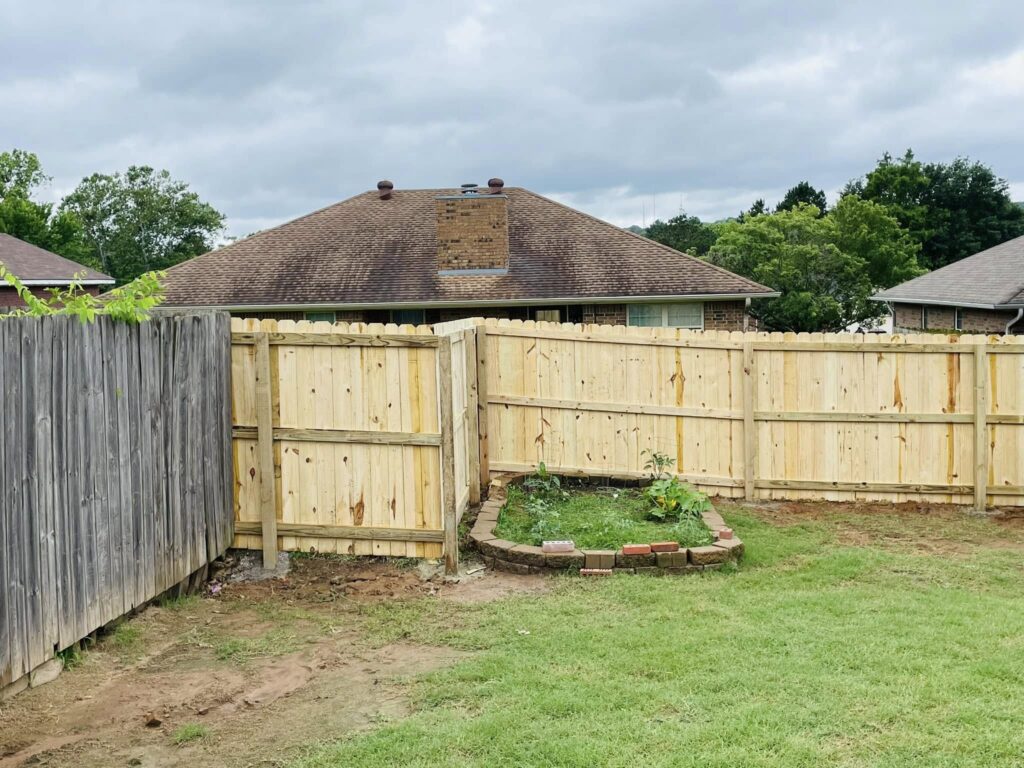
Checking your fence often is also smart. Spotting damage early means you can fix it before big trouble comes.
Here’s what makes a fence last:
- Pressure-treated wood to resist rot
- Posts buried deep enough (at least one-third underground)
- Concrete or gravel bases for good drainage
- Regular inspections for loose parts or rot
- Quick repairs when you see problems
Doing these things stops fences from falling apart and helps them last longer.
Expert Tips for Preventing Fence Failure
Keep your fence strong with these tips:
- Pick wood that’s treated against rot
- Set posts deep so they don’t move easily
- Use concrete footings or gravel to drain water well
- Look over your fence once a year for signs of damage
- Fix small issues fast using wood rot treatment
These simple steps stop fences from collapsing and help them stay sturdy.
Trust River Valley Fencing for Long-lasting Outdoor Fencing Solutions
At River Valley Fencing, we get how annoying and costly it is when fences fail. Rotten wood and loose posts cause lots of headaches. Our work focuses on building tough fences made to last with good materials and expert repairs.
If you’re fed up with fence damage from moisture or poor building, call us. We give solutions that protect your fence and make your yard look nice. Our outdoor fencing options hold up better than most others over time.
Contact River Valley Fencing for Expert Fence Installation and Repair
If you need professional installation or fence repair solutions, just contact River Valley Fencing. Our team builds fences that last. We use expert installation methods to stop common problems like loose or rotten posts.
Taking care of your fence on time helps it last longer. We share fence maintenance tips and offer preventive maintenance to keep your fence strong all year.
You can call or email us for help from people who know why fences break—and how to stop it early. Good work and strong fences are easy to get with River Valley Fencing.
Frequently Asked Questions (FAQs)
What causes fence post rot and how can it be prevented?
Fence post rot happens from constant ground contact with moisture. Using protective treatments like wood rot treatment and sealants reduces decay. Proper drainage and gravel backfill also help keep posts dry.
How deep should fence posts be set to ensure stability?
Posts should be set at least one-third of their length underground. This depth prevents movement from seasonal ground movement, frost heave, and soil runoff.
What are the best soil conditions for fencing installation?
Well-draining soils with good compaction support fences best. Clay-based soils may need extra erosion prevention techniques to avoid soil shifting and foundation stability issues.
How does seasonal ground movement affect fence posts?
Seasonal freezing and thawing cause soil to expand and contract. This can loosen posts unless they are set below the frost line depth with proper drainage.
What are key fence anchoring techniques to prevent collapse?
Using concrete footings, gravel backfill, and strong fasteners like lock washers or thread-locking compounds improve post anchoring. Adding post caps protects wood tops from water damage.
How can rust in metal fencing be treated and prevented?
Rust treatment methods include sandblasting, applying rust converters, zinc-rich primers, or sacrificial zinc anodes. Galvanized steel mesh and corrosion-resistant coatings add extra protection.
What are signs that indicate fence post replacement is needed?
Look for leaning posts, cracked or rotting wood, loose hardware, or gate alignment problems. Early fence inspection helps spot these issues before collapse occurs.
Why is professional installation important for long-term fence durability?
Expert installation follows best practices like proper post hole digging methods, foundation stability measures, correct spacing recommendations, and secure weight distribution.
Essential Fence Stability Solutions by River Valley Fencing
- Use fast-setting concrete for stable post foundations.
- Add gravel backfill for drainage diversion around posts.
- Apply protective treatments like fence staining and sealing regularly.
- Use landscape fabric to reduce soil erosion near fences.
- Incorporate metal gate frames designed for heavier gates to ensure durability.
- Maintain fence hardware with regular tightening and rust treatment methods.
- Consider local climate effects when choosing fencing materials comparison.
- Follow HOA fence regulations, property line setbacks, and building permits for fences carefully.
Preventive Maintenance Tips for Longer Fence Post Lifespan
- Inspect fences annually for corrosion-resistant hardware issues.
- Treat wood with insecticides for wood to stop insect damage prevention.
- Use epoxy filler on small cracks or holes in wooden posts to prevent moisture intrusion.
- Replace damaged post caps promptly to protect against rot causes.
- Clean metal posts using chemical rust removers when rust appears early.
Choose River Valley Fencing for expert repair and reliable fence enclosure solutions that secure your property boundary fencing while maintaining aesthetics and long-term stability.